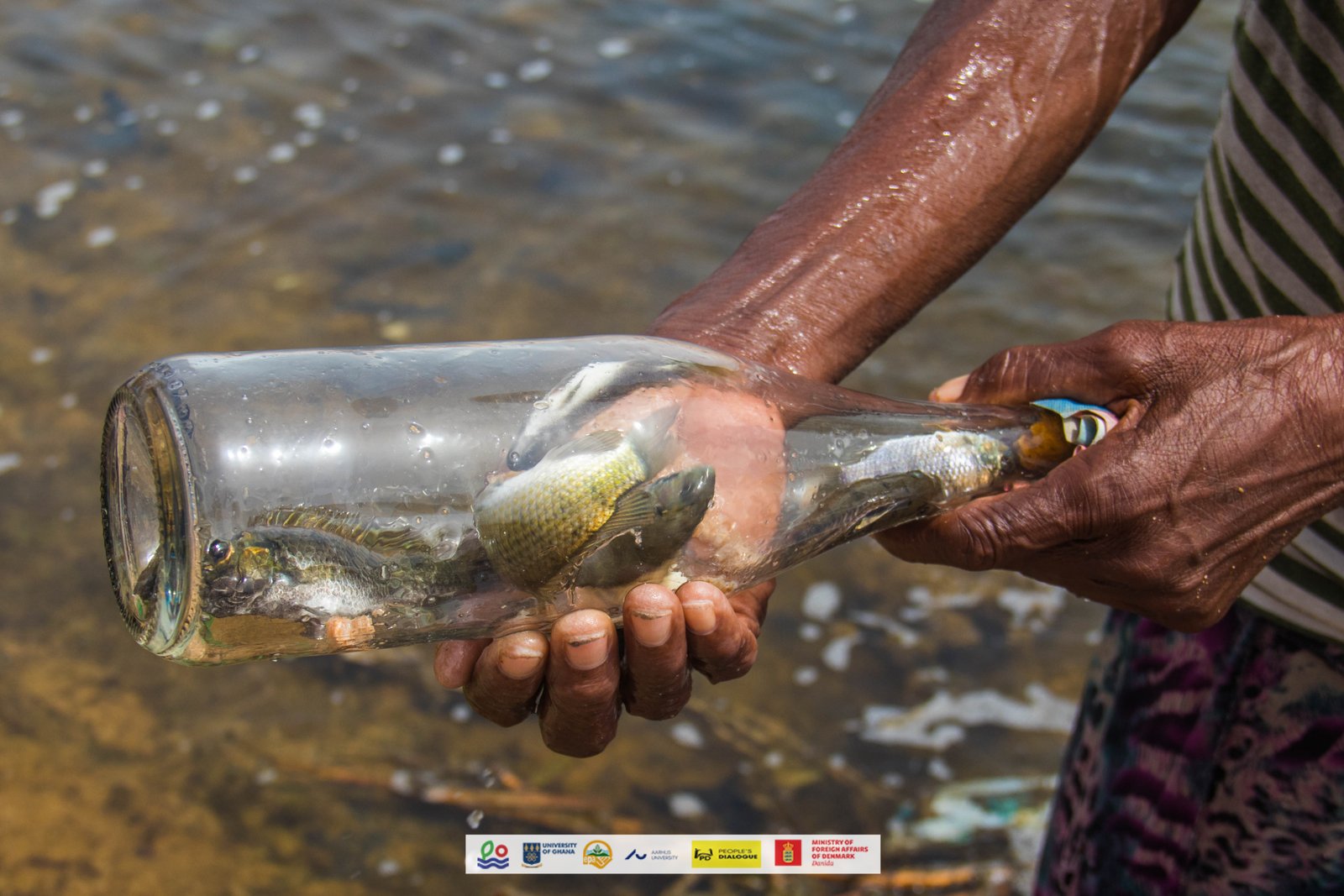
Women are increasingly being seen as more vulnerable than men to the impacts of climate change, mainly because they represent the majority of the world poor and are proportionally more dependent on threatened natural resources.
Within the eastern and central coasts of Ghana, women rely on these threatened natural resources, including rivers as a source of livelihood. Deploying small-scale fishing on these rivers is one of them. The livelihoods of these women are currently being negatively impacted by climate change. As the global temperature gets warmer, it influences the abundance, migratory patterns, and mortality rates of wild and localised fish stocks and determines what species can be farmed or harvested in these water bodies. Within the eastern and central coastal communities in Ghana, women?s economic activities, such as these are being imparted in two folds; (1) the presence of faecal coliforms and diarrhoea pathogens, and (2) trends and seasonal variations in water quality parameters, sea level rise, and storm surge.
To address some of the challenges confronting these women, the C2R-CD project has been generating flood risk and land use/land cover maps; and projecting sea level rise and storm surge within the eastern and central coasts of Ghana to better understand the situation. The project is also to ascertain the presence of diarrhoea causing pathogens in the waters and fish being relied upon by these women.
Back to News & Events