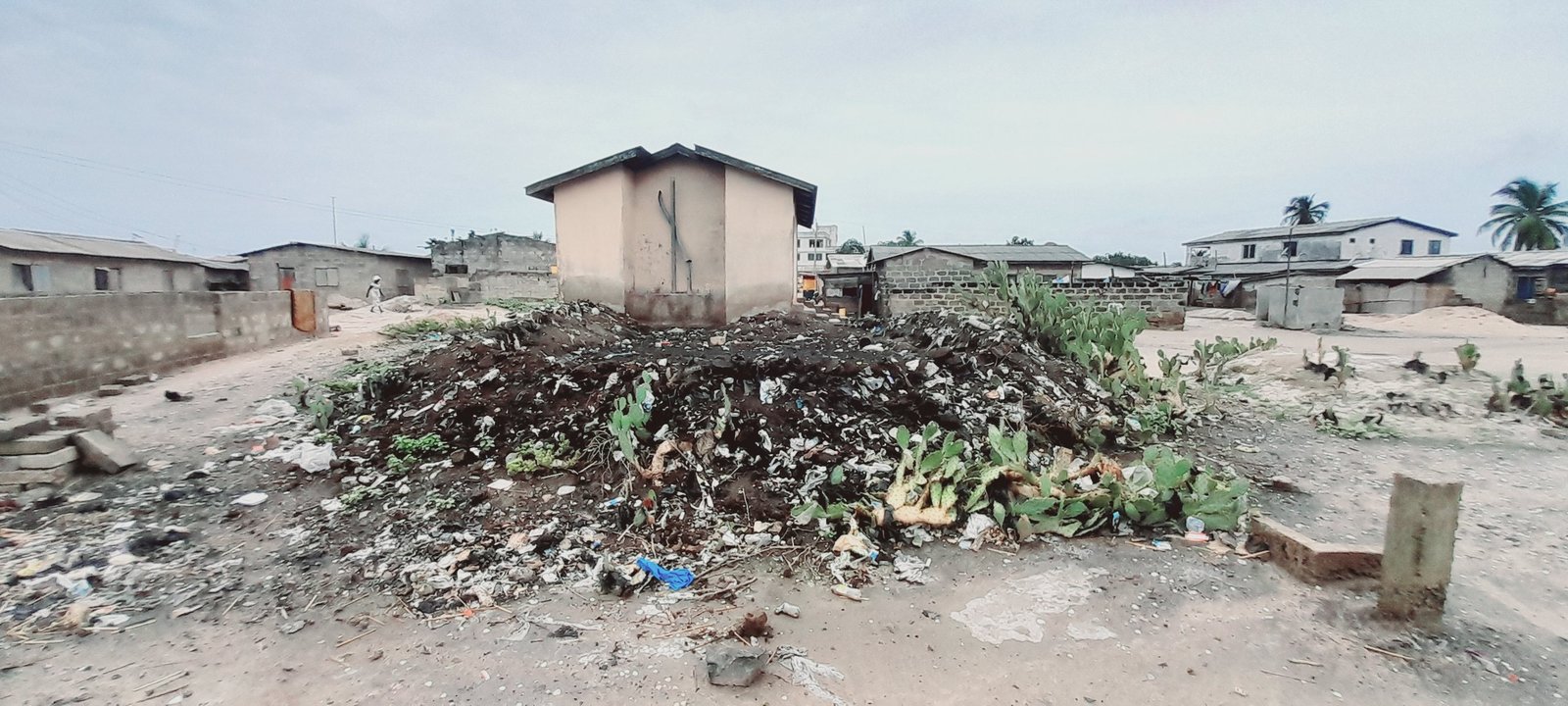
The transmission of diarrhoeal disease is via faecal contamination of drinking water and food sources and is affected by climatic factors such as rainfall, temperature, humidity and drought.
The transmission of diarrhoeal disease is via faecal contamination of drinking water and food sources and is affected by climatic factors such as rainfall, temperature, humidity and drought. Temperature is known to influence diarrhoea by increasing the populations of diarrhoeal pathogens, including various bacteria (e.g. Vibrio cholera and Escherichia coli) and protozoa (e.g. Giardia, Cryptosporidium and Cyclospora spp and Entamoeba histolytica). Heavy rainfall with subsequent flooding can increase loadings of faecal matter from areas with poor sanitation facilities into surface waters and lead to outbreaks of diarrhoeal and other water-borne diseases.
The C2R-CD project has been collecting water samples from identified water sources within the Eastern and Central coasts of Ghana to identify trends and seasonal variations in water quality in Anyako, Anyanui and Atiteti (Volta Region) of the eastern coast, Opetekwei/Gbegbeyese (Greater Accra Region) and Mumford (Central Region) of the central coast.
Back to News & Events